Exploring Moroccan Culture Through Traditional Clothing
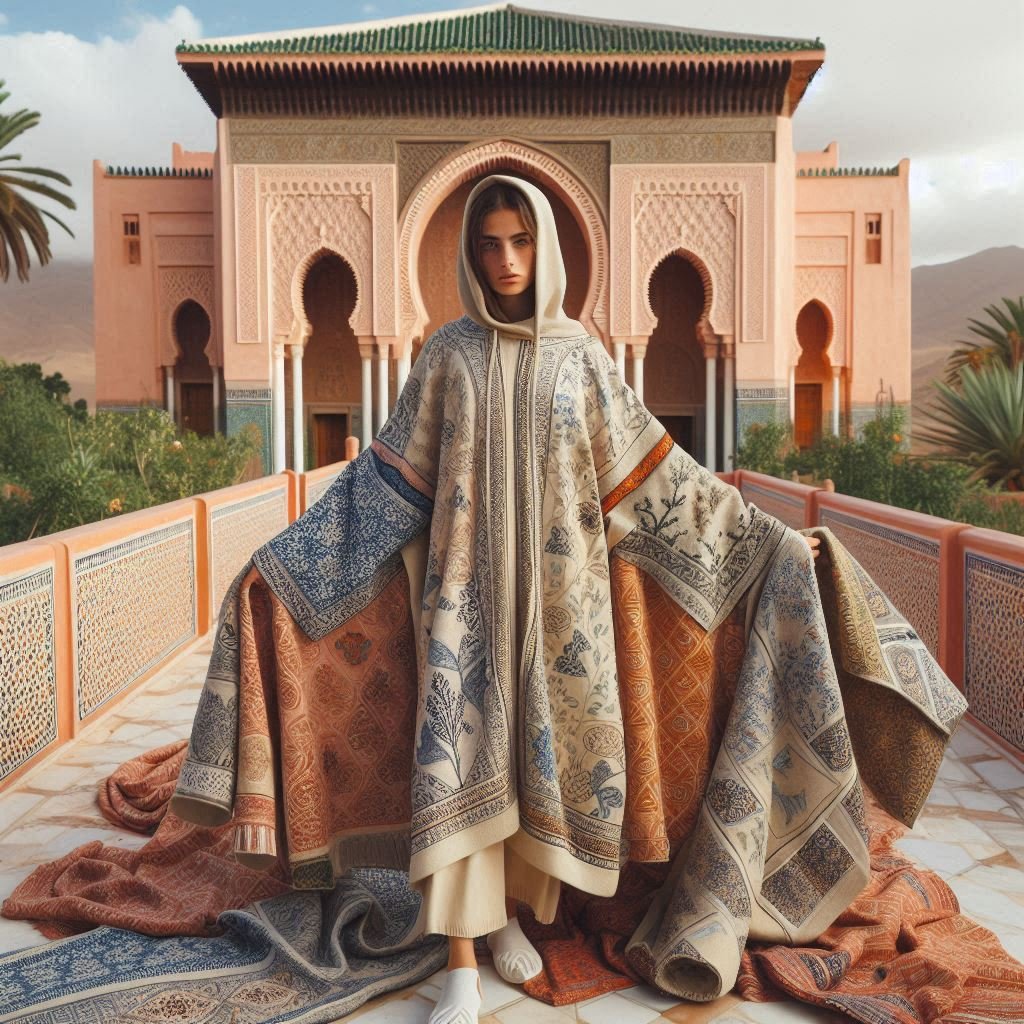
Moroccan culture is a tapestry of rich history, vibrant traditions, and diverse influences, all of which are beautifully expressed through its traditional clothing. From the intricately embroidered Djellabas to the luxurious Kaftans, Moroccan fashion is a reflection of the country’s cultural heritage and artistic craftsmanship. In this article, we delve into the significance of traditional Moroccan clothing, exploring how these garments embody the essence of Moroccan culture and offer a window into the country’s history and social practices.
The Significance of Traditional Moroccan Clothing
Traditional Moroccan clothing is not just about style; it is a profound expression of cultural identity, social status, and regional diversity. Each garment has its own unique story and significance, often tied to historical events, religious practices, and local customs. Moroccan clothing serves as a symbol of tradition and pride, representing the diverse cultural influences that have shaped the country over centuries.
Key Aspects of Moroccan Traditional Clothing:
- Historical Roots: Moroccan clothing has been influenced by various cultures, including Berber, Arab, and Andalusian, resulting in a rich and varied sartorial heritage.
- Cultural Expression: Traditional garments often reflect the wearer’s cultural and regional identity, showcasing the artistry and craftsmanship of Moroccan artisans.
- Social Status: Clothing can denote social status and wealth, with certain fabrics and embellishments reserved for special occasions and the elite.
Iconic Moroccan Garments
1. Djellaba
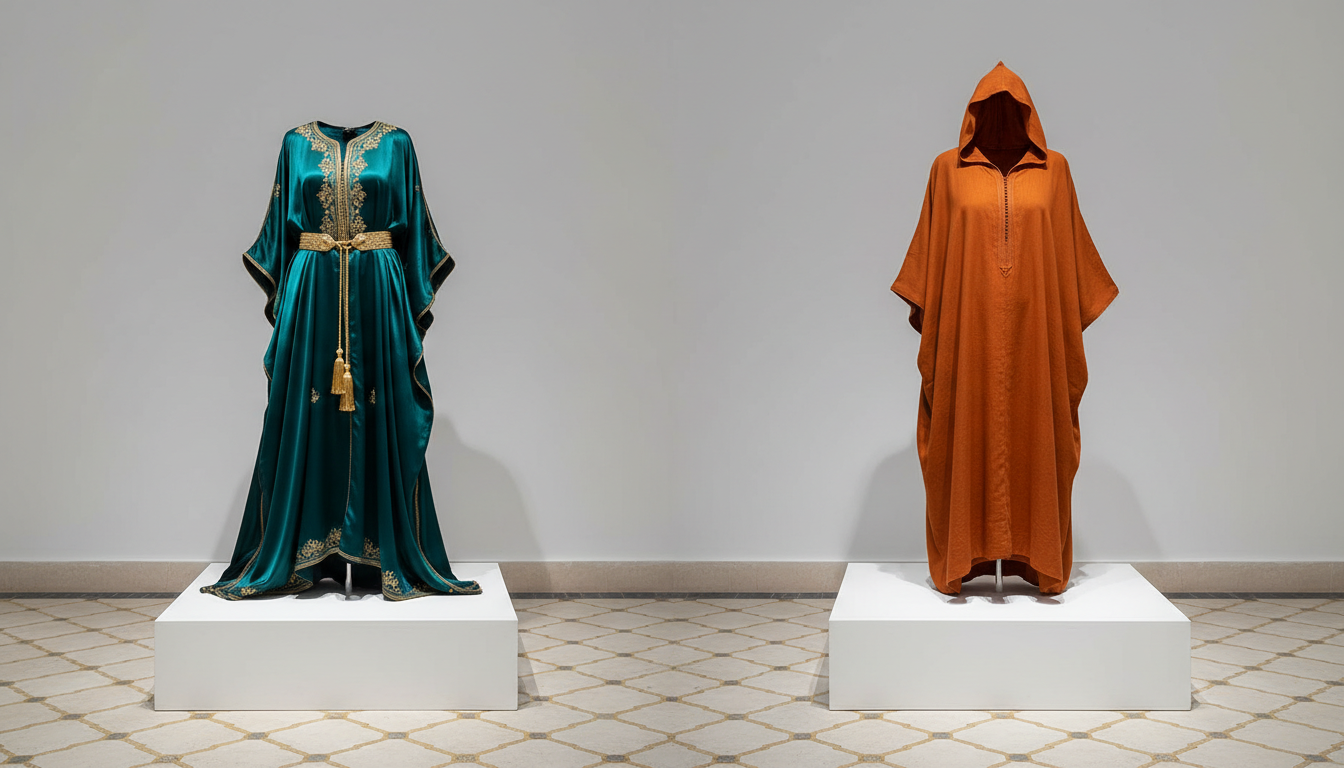
Description: The Djellaba is perhaps the most iconic of Moroccan garments. This long, flowing robe features a hood and is traditionally worn by both men and women. It is known for its versatility and comfort, making it suitable for various occasions and weather conditions.
Cultural Significance:
- Historical Context: The Djellaba has deep historical roots, with its design evolving over centuries. It is believed to have originated from the Berber tribes of Morocco and has been influenced by Arab and Andalusian styles.
- Regional Variations: Djellabas come in different styles and fabrics depending on the region. In urban areas, they might be more elaborate, while in rural regions, they are typically simpler.
- Occasions: Djellabas are worn daily by many Moroccans and are also donned for special occasions such as religious festivals and family gatherings.
Artistic Elements:
- Embroidery: The Djellaba often features intricate embroidery along the hem and sleeves, showcasing traditional Moroccan craftsmanship.
- Fabric Choices: Fabrics range from lightweight cotton for summer to heavy wool for winter, reflecting the garment’s adaptability to different climates.
2. Kaftan
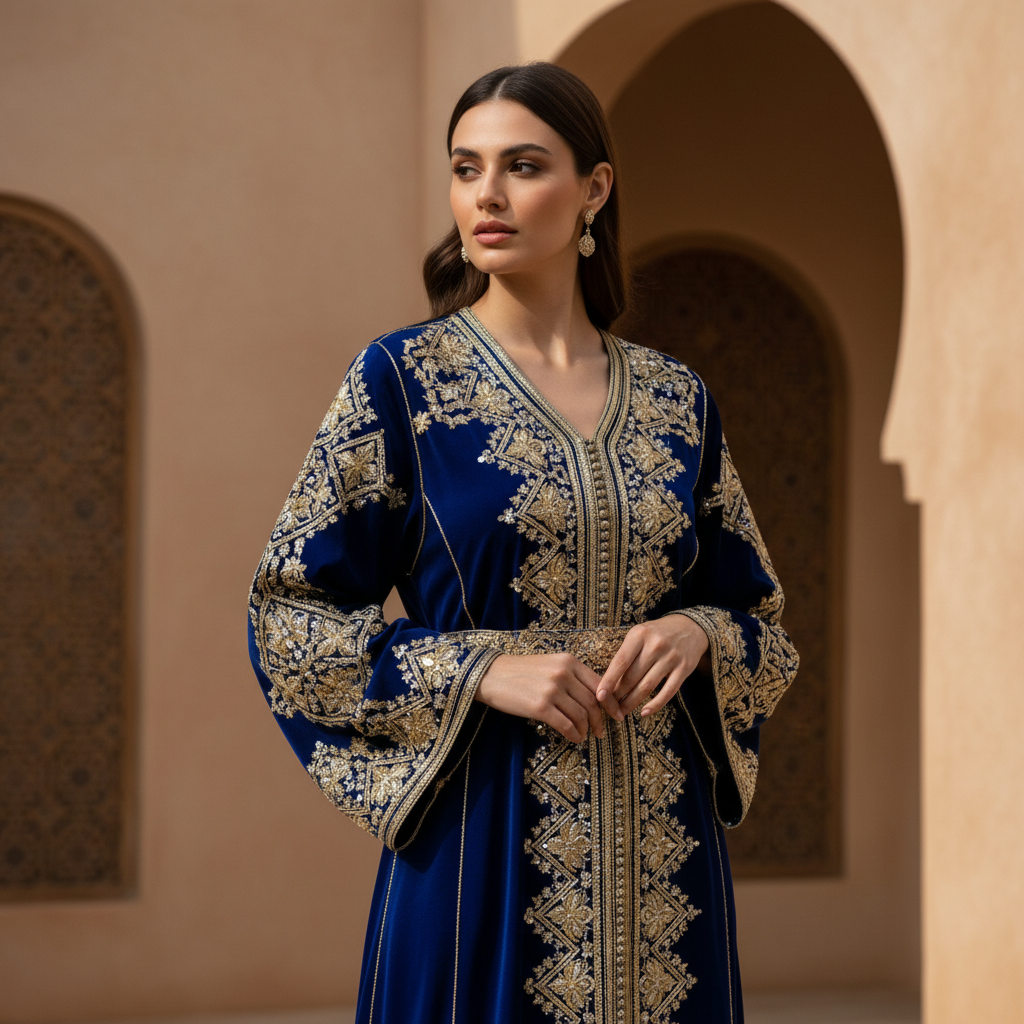
Description: The Kaftan is a luxurious garment, often worn by women. It is a long, flowing dress with wide sleeves and a fitted bodice, usually made from rich fabrics such as silk or satin and adorned with elaborate embroidery.
Cultural Significance:
- Historical Context: The Kaftan’s origins can be traced back to ancient Mesopotamia, but it became prominent in Moroccan fashion during the 14th century, influenced by both Moorish and Ottoman styles.
- Occasions: Kaftans are typically worn for formal events, including weddings, religious ceremonies, and special celebrations. They are a symbol of elegance and opulence.
- Status Symbol: Historically, Kaftans were worn by royalty and high-ranking officials, with the level of embellishment indicating the wearer’s social status.
Artistic Elements:
- Embroidery and Beading: Kaftans are renowned for their intricate embroidery, often featuring gold or silver thread, as well as beading and sequins that add a touch of glamour.
- Fabrics: Luxurious fabrics such as silk, velvet, and satin are commonly used, reflecting the garment’s association with wealth and status.
3. Tachnid
Description: The Tachnid is a traditional Moroccan garment worn by men, particularly in the rural areas of the country. It is a simple, knee-length tunic with a loose fit, often paired with a belt or sash.
Cultural Significance:
- Historical Context: The Tachnid has its roots in Berber culture and was historically worn by farmers and laborers. It remains a practical and comfortable garment for daily wear.
- Regional Variations: The Tachnid varies in style and decoration depending on the region, with some featuring simple embroidery or embellishments.
Artistic Elements:
- Functionality: The Tachnid is valued for its practicality, providing comfort and ease of movement for daily activities.
- Fabric Choices: It is typically made from durable, breathable fabrics such as cotton or linen.
4. Gandora
Description: The Gandora is a traditional Moroccan garment worn by both men and women. It is similar to the Djellaba but often features more elaborate decorations and is typically worn for special occasions.
Cultural Significance:
- Historical Context: The Gandora is a versatile garment with roots in Moroccan and Andalusian cultures. It is often associated with celebrations and formal events.
- Occasions: Gandoras are worn during festivals, weddings, and other significant events, reflecting the wearer’s cultural pride and celebration.
Artistic Elements:
- Design: The Gandora features intricate patterns and embellishments, often including traditional Moroccan motifs and symbols.
- Fabrics: Rich fabrics such as silk, satin, and brocade are commonly used, adding a touch of luxury to the garment.
5. Jilbab
Description: The Jilbab is a traditional cloak worn by women in Morocco. It is a long, loose-fitting garment that covers the body from neck to feet, often with a hood.
Cultural Significance:
- Historical Context: The Jilbab has been a part of Moroccan attire for centuries, influenced by Islamic traditions and cultural practices.
- Occasions: It is worn as a daily garment in some regions, providing modesty and protection from the elements.
Artistic Elements:
- Design: The Jilbab is often adorned with simple embroidery or decorative elements, reflecting its modest and practical nature.
- Fabrics: It is made from various fabrics, including wool and cotton, depending on the season and purpose.
The Artistry Behind Moroccan Clothing
Traditional Moroccan clothing is renowned for its intricate craftsmanship and attention to detail. The artistry involved in creating these garments is a testament to the skill and creativity of Moroccan artisans. Key elements of Moroccan clothing artistry include:
1. Embroidery
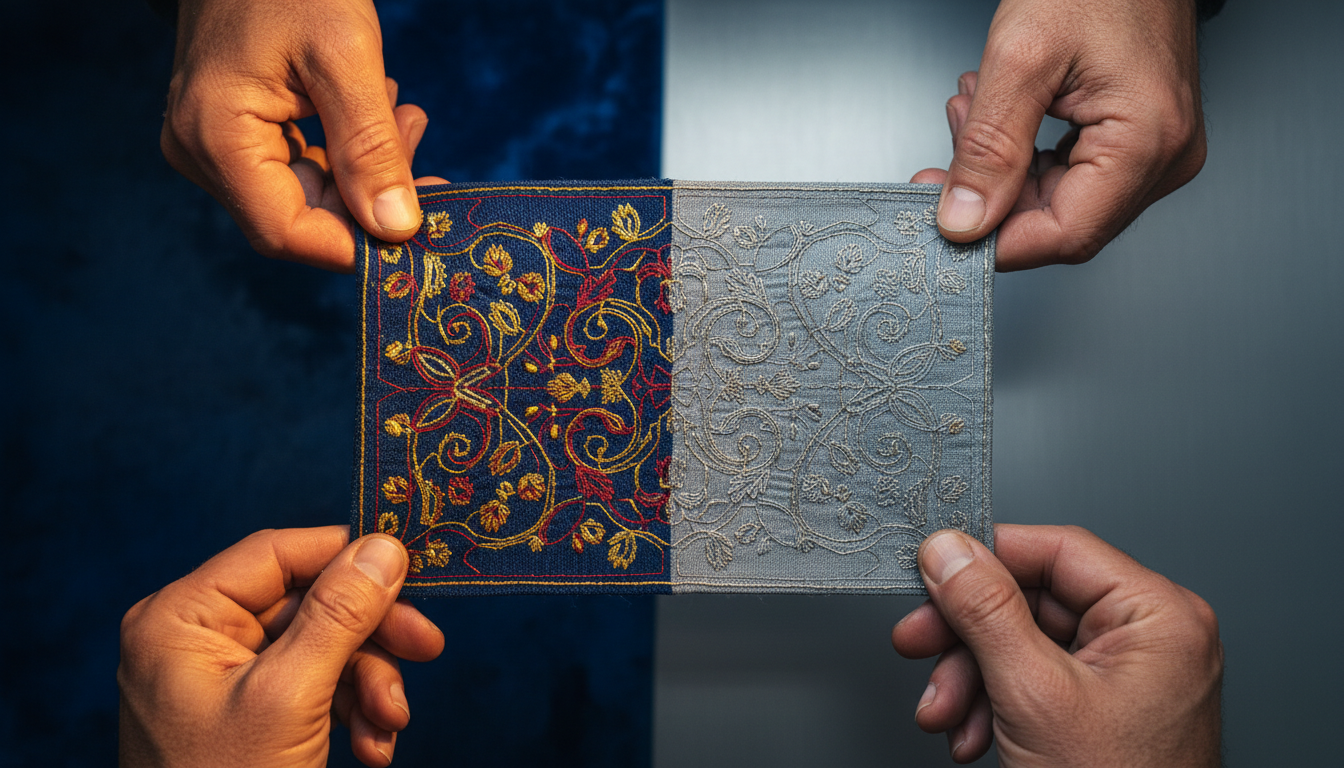
Moroccan embroidery is an essential aspect of traditional clothing, featuring intricate patterns and designs. Embroidery techniques vary by region, with each area of Morocco having its unique style. Common motifs include geometric patterns, floral designs, and symbols with cultural significance. The embroidery adds a layer of elegance and artistry to garments, making them stand out.
2. Fabric Choices
The choice of fabric is crucial in Moroccan clothing, with different materials used for various purposes and occasions. Traditional fabrics include:
- Cotton: Lightweight and breathable, ideal for everyday wear.
- Silk: Luxurious and elegant, used for formal garments such as Kaftans.
- Wool: Warm and durable, suited for colder climates.
3. Dyeing Techniques
Traditional Moroccan dyeing techniques include the use of natural dyes derived from plants, minerals, and insects. These dyes produce rich, vibrant colors that are both environmentally friendly and culturally significant. The dyeing process is often an art form in itself, with artisans creating unique and beautiful shades.
4. Weaving and Textiles
Traditional Moroccan textiles are woven with care and precision, often featuring intricate patterns and textures. The weaving process involves traditional techniques passed down through generations, resulting in high-quality fabrics that showcase Moroccan craftsmanship.
The Role of Traditional Clothing in Moroccan Culture
Traditional Moroccan clothing plays a vital role in cultural and social practices. It serves as a means of expressing identity, celebrating heritage, and participating in cultural events.
1. Cultural Identity
Traditional clothing is a powerful symbol of cultural identity, reflecting the wearer’s heritage and regional roots. It connects individuals to their history and traditions, fostering a sense of pride and belonging.
2. Celebrations and Festivals
Moroccan clothing is an integral part of celebrations and festivals, with elaborate garments worn for special occasions such as weddings, religious ceremonies, and national holidays. The attire adds to the festive atmosphere and emphasizes the importance of these events.
3. Social Status
Clothing often denotes social status and wealth, with more elaborate and luxurious garments reserved for the elite and special occasions. The level of embellishment and the choice of fabrics can indicate the wearer’s social position and economic status.
4. Traditional Crafts and Artistry
The creation of traditional Moroccan clothing is a form of art, with artisans using their skills to produce garments that are both functional and beautiful. The craftsmanship involved in making these garments supports local economies and preserves cultural heritage.
Conclusion
Traditional Moroccan clothing is a vibrant expression of the country’s rich cultural heritage and artistic traditions. From the iconic Djellaba and luxurious Kaftan to the practical Tachnid and elegant Gandora, each garment tells a story and reflects the diverse influences that have shaped Moroccan fashion. The artistry behind Moroccan clothing, including embroidery, fabric choices, and dyeing techniques, highlights the skill and creativity of Moroccan artisans.
As we explore Moroccan culture through traditional clothing, we gain a deeper appreciation for the country’s history, social practices, and artistic achievements. MoroccanElegance is dedicated to celebrating and preserving these traditions while offering contemporary interpretations that honor the beauty and significance of Moroccan fashion.
By embracing traditional Moroccan clothing, we not only connect with the past but also support the continuation of these cultural practices for future generations. Moroccan clothing is more than just attire; it is a testament to the enduring spirit of Moroccan culture and artistry.