From Fabric to Fashion: The Journey of Our Organic Cotton Djellabas
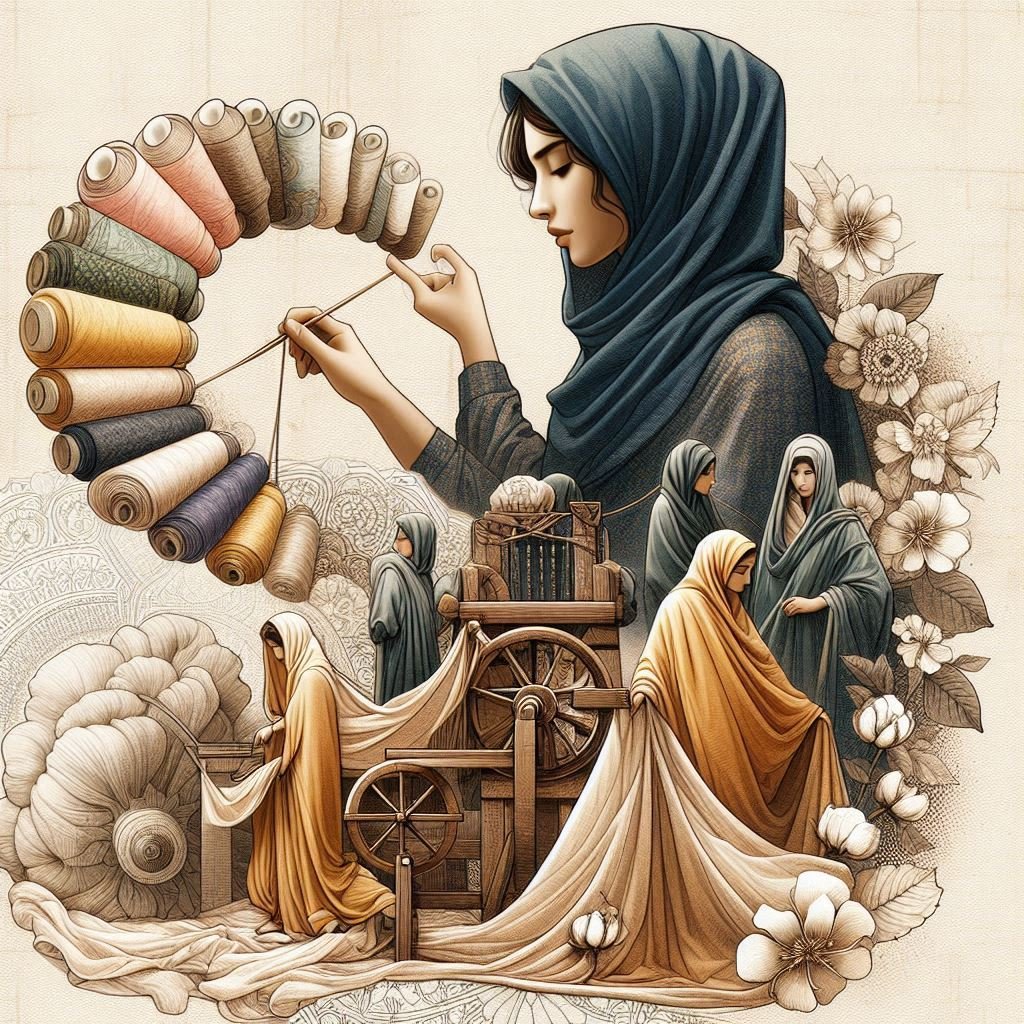
At MoroccanElegance, we take immense pride in our commitment to sustainability, quality, and cultural heritage. Our organic cotton Djellabas are a testament to these values, blending traditional Moroccan craftsmanship with modern, eco-friendly practices. In this article, we take you on a journey from fabric to fashion, exploring the meticulous process that brings our organic cotton Djellabas to life.
1. The Origin of Organic Cotton
The Importance of Organic Cotton
Organic cotton is grown without the use of synthetic pesticides, fertilizers, or genetically modified organisms (GMOs). This method of cultivation promotes biodiversity, enhances soil health, and reduces water consumption, making it a more sustainable and environmentally friendly option compared to conventional cotton.
Sourcing Organic Cotton
Our journey begins with the careful selection of organic cotton farms. We partner with certified organic cotton producers who adhere to strict environmental and ethical standards. These farms use sustainable agricultural practices that maintain soil fertility, conserve water, and promote biodiversity.
Key Benefits of Organic Cotton:
- Environmental Sustainability: Organic cotton farming reduces the ecological footprint, preserving natural resources and promoting a healthier ecosystem.
- Health Benefits: Free from harmful chemicals, organic cotton is safer for farmers, workers, and consumers.
- Ethical Practices: Supporting organic cotton farms ensures fair wages and working conditions for farmers and workers.
2. The Harvesting and Processing of Cotton
Harvesting Organic Cotton
Harvesting organic cotton is a labor-intensive process that involves careful hand-picking to maintain the integrity of the fibers. This method minimizes damage to the cotton plants and ensures high-quality fibers that are soft, durable, and ideal for creating luxurious fabrics.
Steps in Harvesting:
- Hand-Picking: Organic cotton is typically hand-picked to preserve the quality of the fibers.
- Sorting: The cotton is sorted to remove impurities and ensure uniformity in quality.
Processing Organic Cotton
Once harvested, the organic cotton undergoes a series of processing steps to transform it into high-quality fabric. These steps include ginning, spinning, and weaving, each of which is carried out with meticulous attention to detail.
Processing Steps:
- Ginning: The cotton fibers are separated from the seeds and cleaned to remove impurities.
- Spinning: The cleaned fibers are spun into yarn, which is then wound into spools.
- Weaving: The yarn is woven into fabric using traditional looms, creating the base material for our Djellabas.
3. Designing Our Djellabas
Inspiration and Design
The design process for our Djellabas is deeply rooted in Moroccan cultural heritage, drawing inspiration from traditional patterns, motifs, and colors. Our design team works closely with artisans to create garments that reflect the elegance and sophistication of Moroccan fashion while incorporating contemporary elements.
Design Elements:
- Traditional Patterns: Inspired by Moroccan architecture, tilework, and textiles.
- Color Palette: Rich, vibrant colors that evoke the beauty of Moroccan landscapes.
- Modern Silhouettes: Blending traditional styles with modern cuts for a contemporary look.
Crafting the Garments
Once the designs are finalized, the fabric is cut and sewn by skilled artisans. Each Djellaba is handcrafted with precision and care, ensuring that every detail is perfect. The craftsmanship involved in creating our Djellabas is a testament to the skill and dedication of our artisans.
Crafting Steps:
- Cutting: The fabric is carefully cut according to the design patterns.
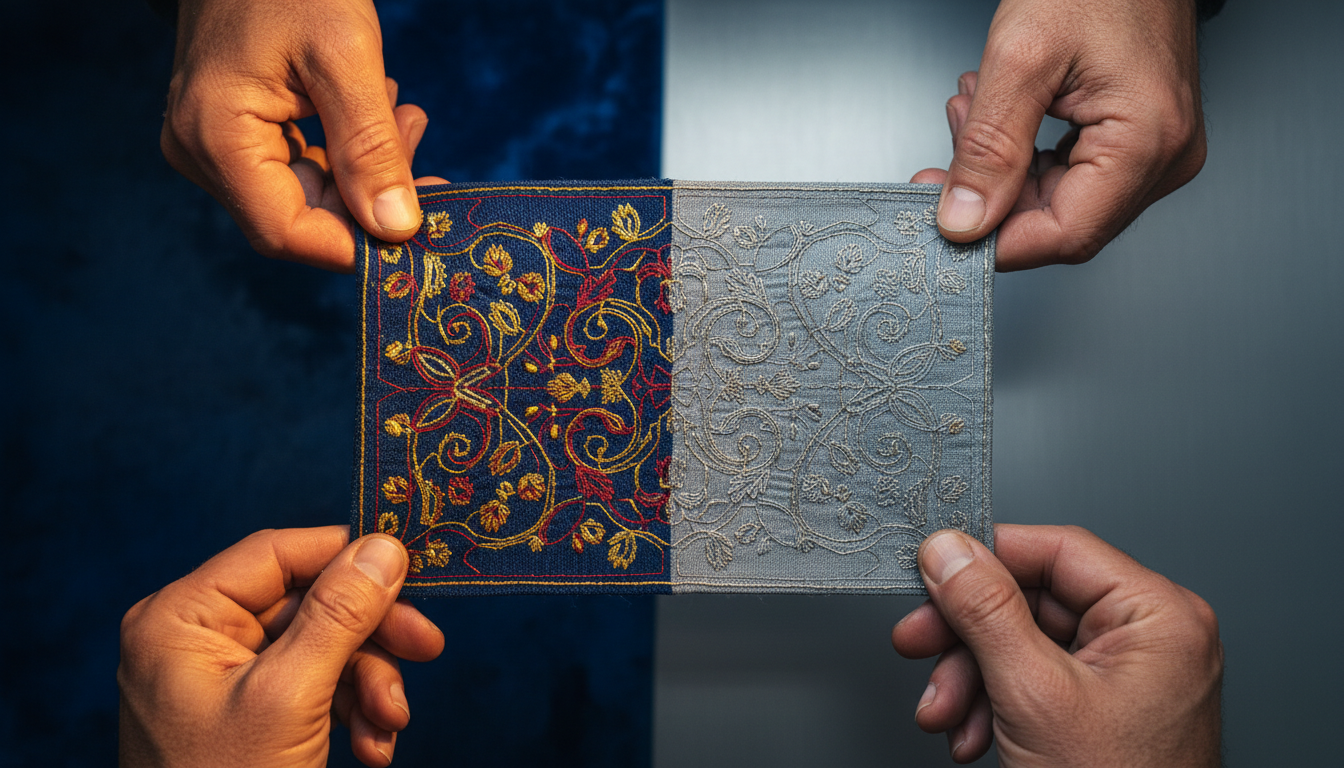
- Sewing: Artisans sew the pieces together, adding intricate embroidery and embellishments.
- Finishing: The finished garments undergo quality checks to ensure they meet our high standards.
4. The Role of Artisans
Celebrating Artisanal Craftsmanship
The artisans who create our Djellabas are the heart and soul of MoroccanElegance. Their expertise and dedication to their craft are what make our garments truly special. By supporting local artisans, we help preserve traditional skills and provide fair employment opportunities.
Artisanal Techniques:
- Hand Embroidery: Intricate patterns and designs are meticulously embroidered by hand.
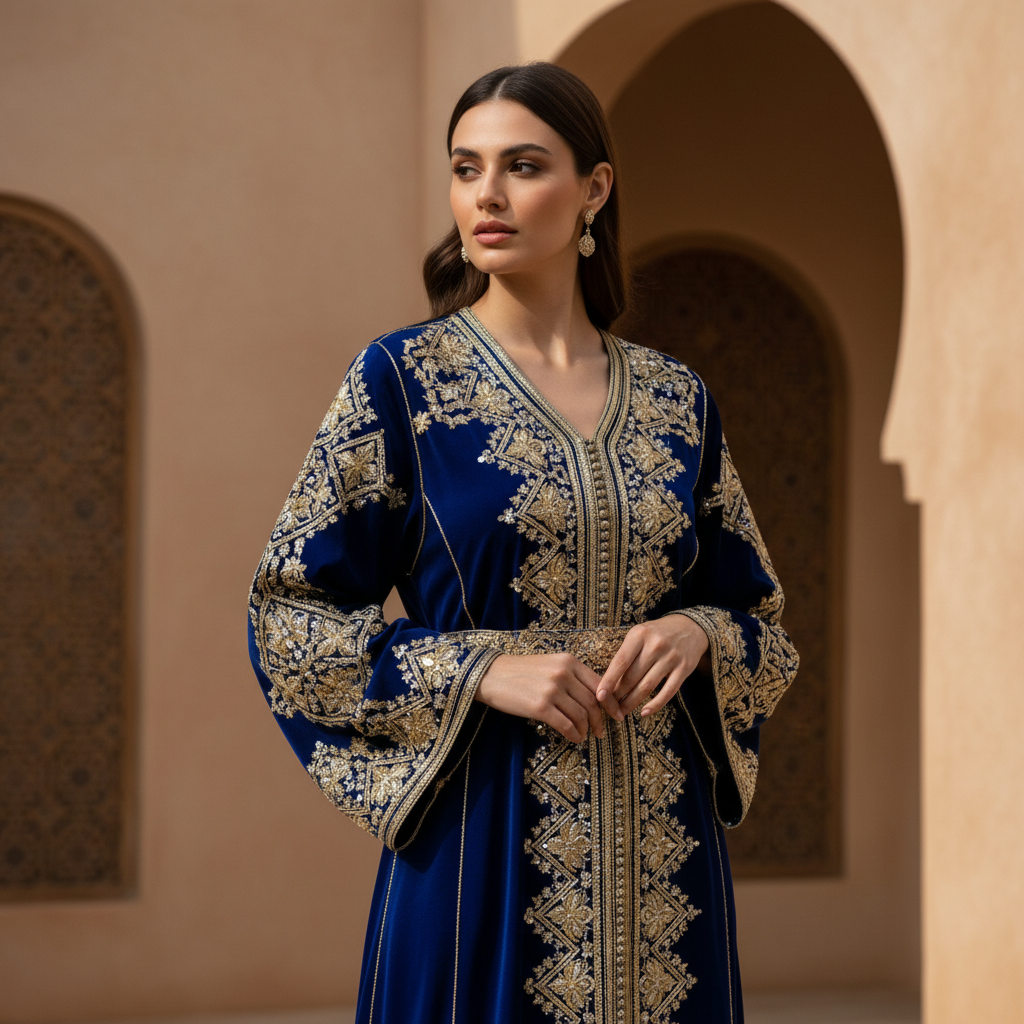
- Beading and Embellishments: Delicate beads and embellishments are added to enhance the beauty of each garment.
- Tailoring: Skilled tailors ensure that each Djellaba fits perfectly and is comfortable to wear.
Empowering Local Communities
By working with local artisans, we contribute to the economic development of their communities. Fair wages and ethical working conditions ensure that our artisans can sustain their livelihoods and continue to pass down their skills to future generations.
Community Impact:
- Economic Support: Providing fair wages and stable employment opportunities.
- Skill Preservation: Ensuring that traditional craftsmanship is preserved and celebrated.
- Community Development: Supporting initiatives that improve the quality of life for artisans and their families.
5. The Importance of Sustainability
Eco-Friendly Practices
Sustainability is at the core of everything we do at MoroccanElegance. From sourcing organic cotton to using eco-friendly dyes and minimizing waste, we strive to reduce our environmental impact at every stage of the production process.
Sustainable Practices:
- Organic Farming: Supporting farms that use sustainable and organic farming methods.
- Eco-Friendly Dyes: Using natural and low-impact dyes to minimize environmental harm.
- Waste Reduction: Implementing practices that reduce waste and promote recycling.
Promoting Conscious Fashion
Our commitment to sustainability goes beyond our products. We aim to educate and inspire our customers to make conscious fashion choices that prioritize quality, ethics, and environmental responsibility.
Conscious Fashion Tips:
- Choose Quality Over Quantity: Invest in high-quality garments that last longer and have a lower environmental impact.
- Support Ethical Brands: Purchase from brands that prioritize fair trade and sustainable practices.
- Care for Your Clothes: Properly care for your garments to extend their lifespan and reduce waste.
6. The Journey to Your Wardrobe
Packaging and Shipping
Once our Djellabas are crafted and undergo quality checks, they are carefully packaged in eco-friendly materials. We use sustainable packaging solutions that protect the garments while minimizing environmental impact.
Packaging Solutions:
- Recycled Materials: Using packaging made from recycled and biodegradable materials.
- Minimal Packaging: Reducing excess packaging to minimize waste.
Reaching Our Customers
Our Djellabas are shipped to customers worldwide, bringing the elegance and craftsmanship of Moroccan fashion to your doorstep. We partner with reliable shipping providers to ensure timely and secure delivery.
Shipping Practices:
- Carbon Offset: Offsetting carbon emissions from shipping to reduce our environmental footprint.
- Secure Delivery: Ensuring that garments arrive in perfect condition, ready to be worn and cherished.
7. Styling Your Djellaba
Versatility and Elegance
Our organic cotton Djellabas are designed to be versatile, comfortable, and stylish. Whether you’re dressing up for a special occasion or enjoying a casual day out, our Djellabas offer effortless elegance.
Styling Tips:
- Casual Chic: Pair your Djellaba with sandals and minimal accessories for a relaxed, everyday look.
- Evening Elegance: Elevate your Djellaba with statement jewelry and heels for a sophisticated evening ensemble.
- Layering: Layer your Djellaba with a jacket or shawl for added warmth and style during cooler months.
Embracing Moroccan Fashion
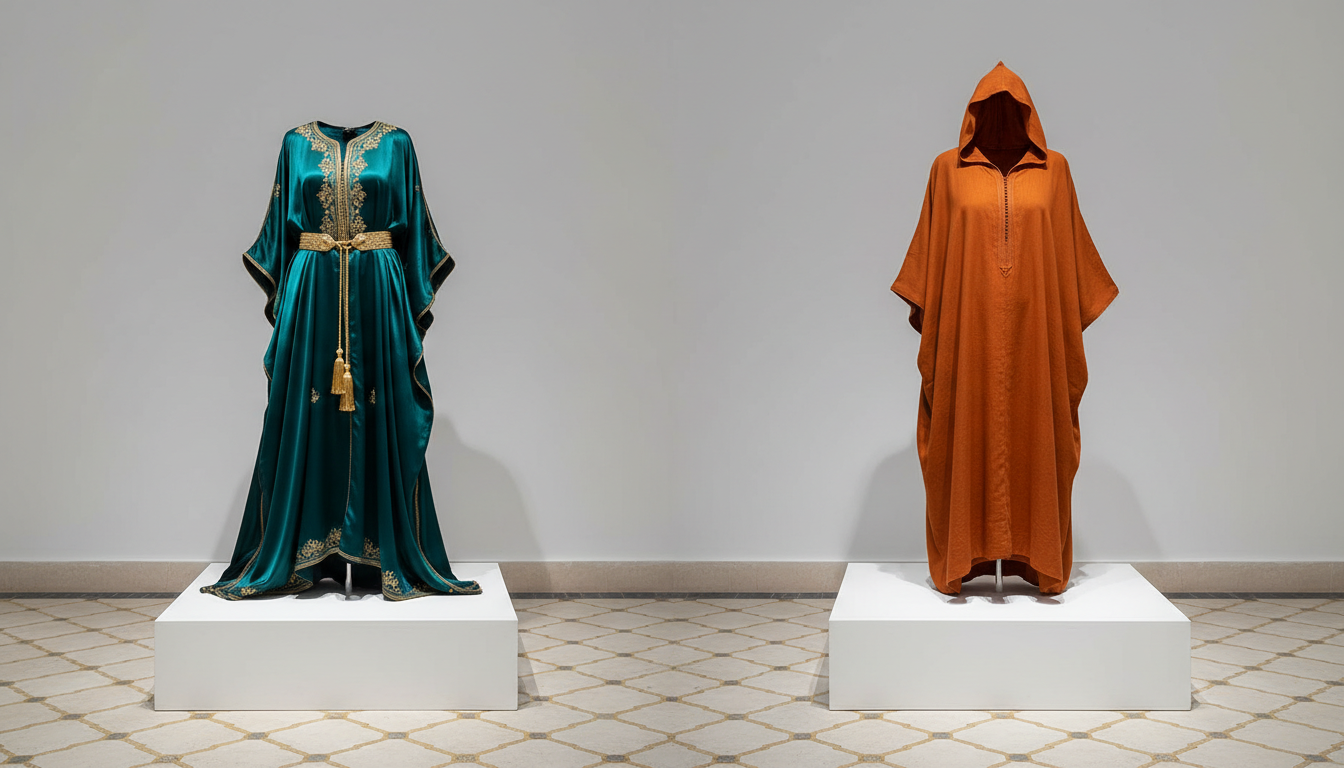
Wearing a Djellaba is more than just a fashion choice; it’s an embrace of Moroccan culture and heritage. Each garment tells a story of tradition, craftsmanship, and sustainability, making it a meaningful addition to your wardrobe.
Cultural Connection:
- Heritage: Celebrate Moroccan culture by incorporating traditional garments into your style.
- Artistry: Appreciate the artistry and craftsmanship that goes into creating each Djellaba.
- Sustainability: Support sustainable fashion by choosing garments made from organic and eco-friendly materials.
Conclusion
The journey of our organic cotton Djellabas from fabric to fashion is a story of dedication, craftsmanship, and sustainability. At MoroccanElegance, we are committed to creating garments that not only look beautiful but also make a positive impact on the environment and communities. By choosing our Djellabas, you are supporting a brand that values quality, ethics, and cultural heritage. Join us in celebrating the beauty of Moroccan fashion and the journey of our organic cotton Djellabas.