The History of Moroccan Kaftans: Tradition Meets Modernity
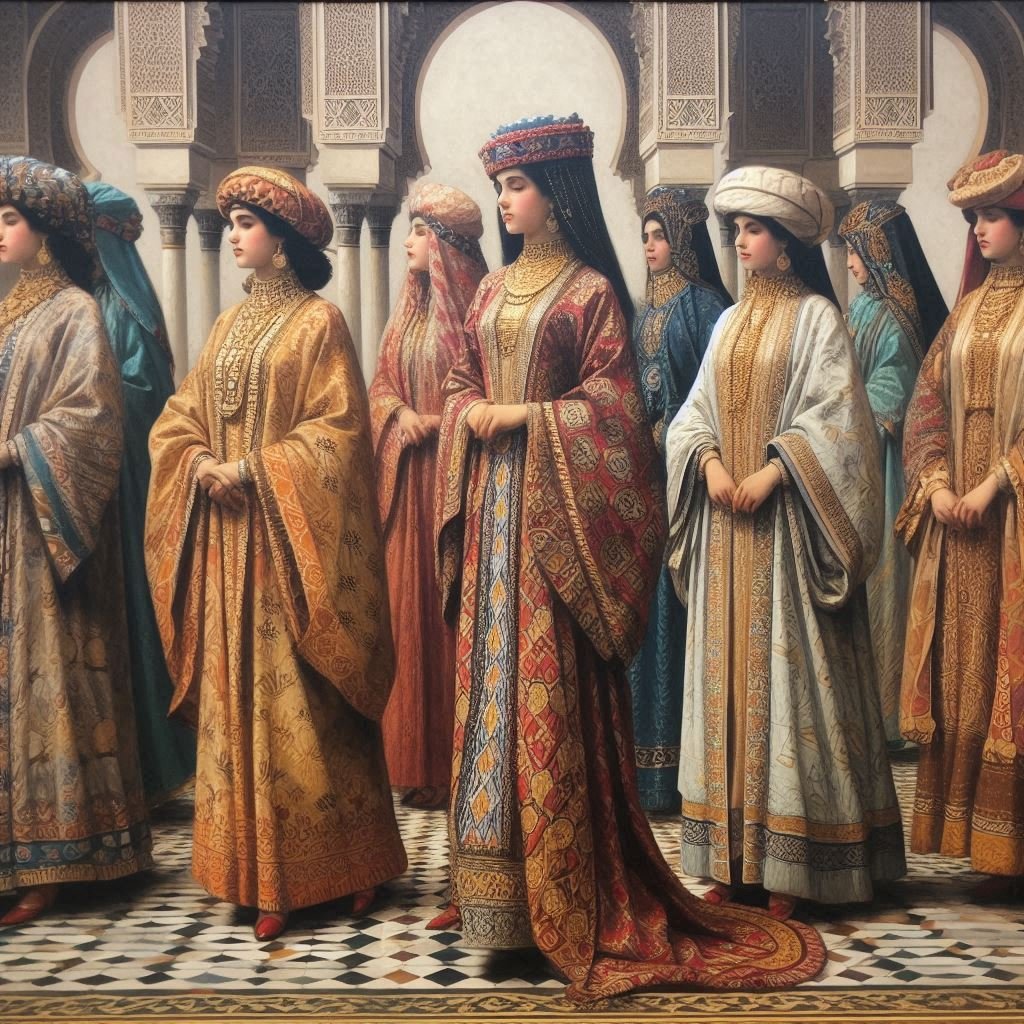
Moroccan kaftans are more than just garments; they are a tapestry of history, culture, and craftsmanship that spans centuries. These beautiful pieces of clothing have evolved over time, merging traditional designs with contemporary aesthetics, making them a timeless fashion staple. In this article, we explore the rich history of Moroccan kaftans, their cultural significance, and how they have seamlessly blended tradition with modernity.
1. Origins of the Kaftan
Ancient Beginnings
The origins of the kaftan can be traced back to ancient Mesopotamia, where it was initially worn by both men and women. The term “kaftan” itself is believed to have Persian roots, and the garment spread across various cultures and regions, including the Ottoman Empire, North Africa, and Southeast Asia.
Key Characteristics:
- Long, Flowing Silhouette: The kaftan is characterized by its long, flowing silhouette, often featuring wide sleeves and a loose fit.
- Versatility: Historically, kaftans were worn by people of different social statuses, from royalty to commoners, due to their comfort and versatility.
Arrival in Morocco
The kaftan made its way to Morocco during the 8th century, brought by the Moors and later influenced by the influx of Andalusian Muslims. Over time, it became an integral part of Moroccan culture, symbolizing elegance and refinement.
Cultural Integration:
- Andalusian Influence: The arrival of Andalusian Muslims introduced new styles and intricate embroidery techniques to Moroccan kaftans.
- Royalty and Nobility: Kaftans became a symbol of nobility, often worn by the Moroccan royal family and aristocracy.
2. Traditional Moroccan Kaftans
Design and Craftsmanship
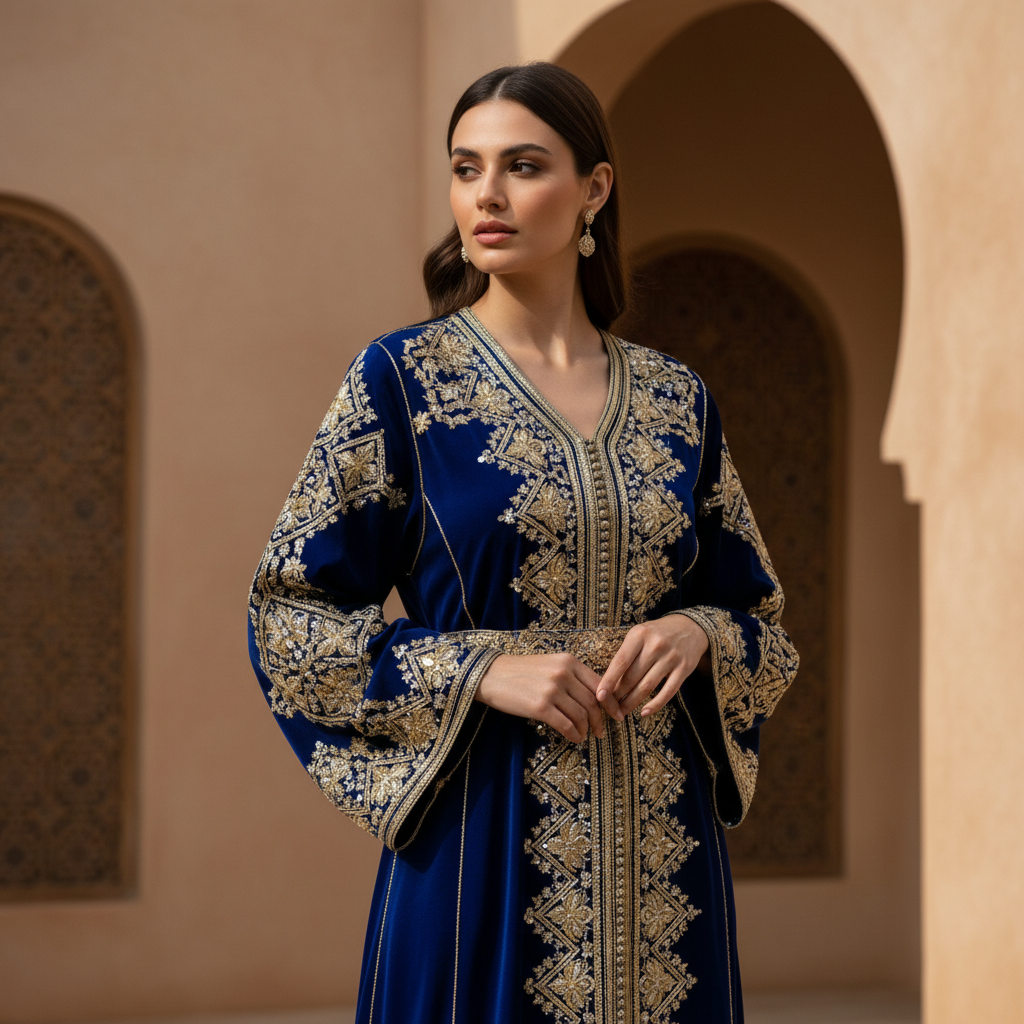
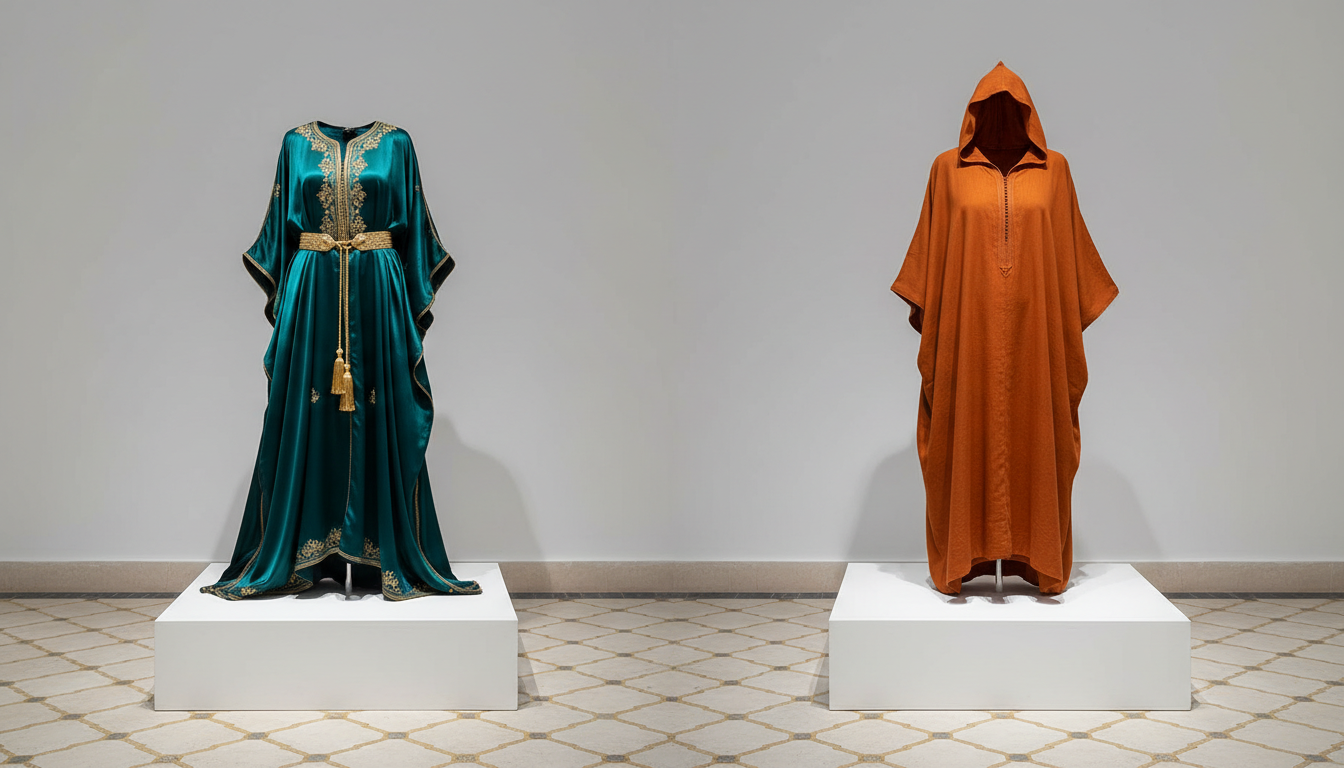
Traditional Moroccan kaftans are renowned for their exquisite craftsmanship and intricate designs. They are often made from luxurious fabrics such as silk, brocade, and velvet, adorned with elaborate embroidery, beading, and sequins.
Elements of Traditional Design:
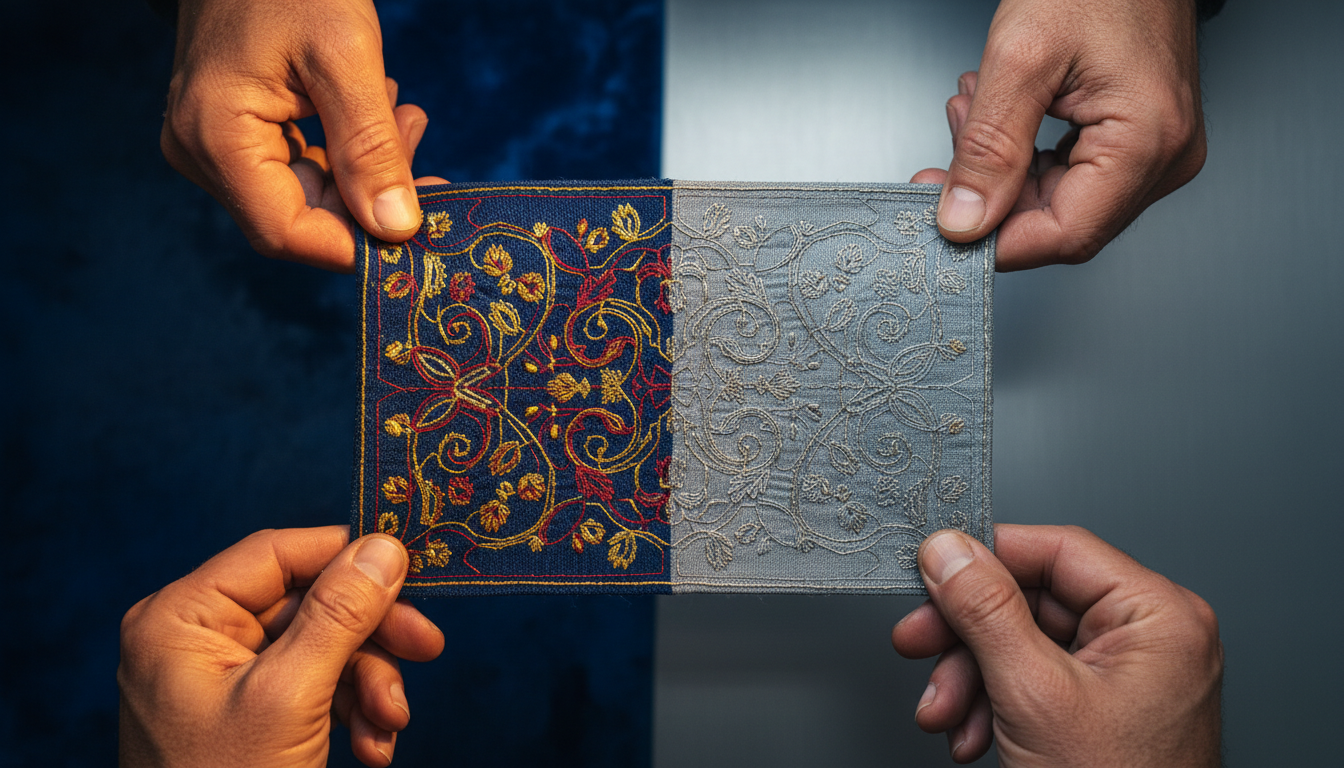
- Embroidery: Hand-embroidered patterns, often featuring floral and geometric motifs, are a hallmark of Moroccan kaftans.
- Beading and Sequins: Delicate beadwork and sequins add a touch of sparkle and opulence.
- Luxurious Fabrics: High-quality fabrics like silk and velvet enhance the elegance of the kaftan.
The Role of Artisans
The creation of a traditional Moroccan kaftan is a labor-intensive process that involves skilled artisans. These craftsmen and women have passed down their techniques through generations, ensuring that the artistry of kaftan making remains alive.
Artisanal Techniques:
- Hand Embroidery: Each kaftan is meticulously embroidered by hand, showcasing the artisan’s skill and creativity.
- Tailoring: Precision tailoring ensures that the kaftan fits beautifully, draping elegantly on the wearer.
Cultural Significance
In Moroccan culture, the kaftan holds a special place, often worn during important events and celebrations. It is a symbol of cultural heritage, elegance, and femininity.
Occasions for Wearing Kaftans:
- Weddings: Brides often wear elaborate kaftans during their wedding ceremonies, symbolizing beauty and grace.
- Religious Celebrations: Kaftans are commonly worn during religious holidays such as Eid.
- Family Gatherings: Wearing a kaftan is a way to honor tradition and celebrate family heritage during special gatherings.
3. Evolution and Modernization
Influence of Modern Fashion
While traditional kaftans continue to be cherished, modern fashion has brought new life to this timeless garment. Contemporary designers have reimagined the kaftan, blending traditional elements with modern styles to appeal to a broader audience.
Modern Design Trends:
- Minimalistic Embroidery: Modern kaftans often feature simpler, more minimalistic embroidery designs, offering a fresh and contemporary look.
- Bold Colors: Contemporary designers experiment with bold and vibrant colors, moving away from the traditional color palette.
- Innovative Fabrics: In addition to traditional fabrics, modern kaftans may use innovative materials like linen, cotton blends, and sustainable fabrics.
Prominent Designers
Several Moroccan and international designers have played a crucial role in modernizing the kaftan, making it a global fashion icon. Designers such as Fadila El Gadi, Albert Oiknine, and the late Alber Elbaz have all contributed to the evolution of the kaftan.
Designer Contributions:
- Fadila El Gadi: Known for her intricate embroidery and fusion of traditional and contemporary styles.
- Albert Oiknine: Celebrated for his glamorous and opulent designs, often worn by celebrities.
- Alber Elbaz: The former creative director of Lanvin, who brought a modern twist to traditional Moroccan garments.
Global Influence
The modernized kaftan has gained international popularity, gracing runways and red carpets worldwide. Celebrities and fashion icons have embraced the kaftan, showcasing its versatility and timeless appeal.
Global Fashion Impact:
- Red Carpet Appearances: Celebrities like Beyoncé, Rihanna, and Salma Hayek have been seen wearing kaftans at high-profile events.
- Fashion Weeks: Designers showcase modern kaftans at fashion weeks in Paris, Milan, and New York, highlighting their global appeal.
4. Sustainability and Ethical Fashion
Eco-Friendly Practices
As the fashion industry shifts towards sustainability, Moroccan kaftans are also embracing eco-friendly practices. Many designers are opting for organic and sustainable fabrics, ethical production methods, and fair trade practices.
Sustainable Fashion Initiatives:
- Organic Fabrics: Using organic cotton, hemp, and other sustainable materials to create eco-friendly kaftans.
- Ethical Production: Ensuring fair wages and safe working conditions for artisans.
- Waste Reduction: Implementing zero-waste patterns and recycling fabric scraps to minimize waste.
Supporting Artisans
Supporting traditional artisans is essential for preserving the cultural heritage of Moroccan kaftan making. By promoting fair trade and ethical practices, designers and consumers can help sustain these valuable crafts.
Artisan Support Programs:
- Fair Trade Agreements: Establishing fair trade agreements to ensure artisans receive fair compensation for their work.
- Skill Development: Providing training and resources to help artisans enhance their skills and adapt to modern fashion trends.
5. Styling Moroccan Kaftans
Versatility in Fashion
One of the reasons for the kaftan’s enduring popularity is its versatility. Moroccan kaftans can be styled in numerous ways, making them suitable for various occasions, from casual outings to formal events.
Styling Tips:
- Casual Wear: Pair a simple, lightweight kaftan with sandals and minimal jewelry for a relaxed, everyday look.
- Evening Elegance: Choose a richly embroidered kaftan and accessorize with statement jewelry and heels for a sophisticated evening ensemble.
- Beach Cover-Up: A lightweight, flowy kaftan can serve as a stylish cover-up at the beach or poolside.
Fusion of Tradition and Modernity
Modern styling often involves blending traditional elements with contemporary fashion. For instance, a traditional Moroccan kaftan can be paired with modern accessories, creating a unique and fashionable look.
Fusion Fashion Ideas:
- Belts and Sashes: Adding a belt or sash to cinch the waist and create a more structured silhouette.
- Layering: Layering a kaftan over jeans or leggings for a trendy, layered look.
- Mix and Match: Combining a traditional kaftan top with modern skirts or pants for a chic, fusion outfit.
6. Personal Stories and Cultural Pride
Embracing Heritage
For many people, wearing a Moroccan kaftan is a way to connect with their heritage and celebrate their cultural identity. It is a garment that carries personal and familial significance, often passed down through generations.
Cultural Pride:
- Family Heirlooms: Many families have heirloom kaftans that are cherished and worn during special occasions, symbolizing continuity and tradition.
- Cultural Celebrations: Wearing a kaftan during cultural celebrations is a way to honor one’s heritage and express cultural pride.
Modern Interpretations
Younger generations are finding new and innovative ways to incorporate kaftans into their wardrobes, blending tradition with modernity in a way that reflects their personal style.
Youthful Expressions:
- Street Style: Younger fashion enthusiasts are styling kaftans with sneakers and contemporary accessories for a modern, urban look.
- Social Media Influence: Platforms like Instagram and TikTok are showcasing how kaftans can be styled in fresh and trendy ways, inspiring a new generation of kaftan wearers.
Conclusion
The history of Moroccan kaftans is a rich tapestry of tradition, culture, and craftsmanship that has evolved over centuries. From their ancient origins to their modern interpretations, kaftans have remained a symbol of elegance and cultural pride. As we celebrate the fusion of tradition and modernity, we also recognize the importance of sustainability and ethical fashion in preserving this beautiful heritage.
At MoroccanElegance, we are proud to continue the legacy of the Moroccan kaftan, blending traditional craftsmanship with contemporary design to create garments that are both timeless and relevant. Whether you are drawn to the historical significance, the exquisite craftsmanship, or the modern versatility, Moroccan kaftans offer a unique and beautiful way to celebrate fashion and culture.