The Influence of Moroccan Architecture on Modern Fashion Trends

Moroccan architecture is renowned for its intricate designs, vibrant colors, and exquisite craftsmanship. This unique blend of artistry and tradition has not only left a lasting mark on the world of architecture but has also significantly influenced modern fashion trends. The interplay between geometric patterns, bold colors, and detailed craftsmanship in Moroccan architecture has inspired fashion designers globally, leading to the creation of stunning clothing and accessories that reflect the beauty of Moroccan aesthetics. In this article, we delve into how Moroccan architecture has shaped contemporary fashion and explore some iconic elements that have made their way into modern wardrobes.
The Essence of Moroccan Architecture
To understand the influence of Moroccan architecture on fashion, it’s essential to grasp the core elements that define this architectural style. Moroccan architecture is characterized by:
- Geometric Patterns: Intricate and repetitive geometric designs are a hallmark of Moroccan architecture. These patterns are often found in tilework, carvings, and textiles.
- Bold Colors: Rich, vibrant colors such as cobalt blue, emerald green, saffron yellow, and deep red are commonly used, reflecting the diverse landscapes and cultural heritage of Morocco.
- Detailed Craftsmanship: Moroccan architecture showcases meticulous craftsmanship, with hand-carved wood, intricately designed metalwork, and detailed tile mosaics (zellige).
- Natural Elements: The use of natural materials like wood, stone, and clay, combined with indoor gardens and water features, creates a harmonious blend of nature and design.
These elements collectively create a visually stunning and culturally rich aesthetic that has captivated the imagination of fashion designers around the world.
Geometric Patterns in Fashion
One of the most recognizable influences of Moroccan architecture on fashion is the use of geometric patterns. The intricate designs found in Moroccan tilework and carvings have been adapted into various fashion items, from clothing to accessories.
1. Textile Prints: Fashion designers often incorporate Moroccan-inspired geometric patterns into textile prints. These patterns can be found on dresses, blouses, skirts, and scarves. The repetitive and symmetrical nature of these designs creates a visually appealing and harmonious look.
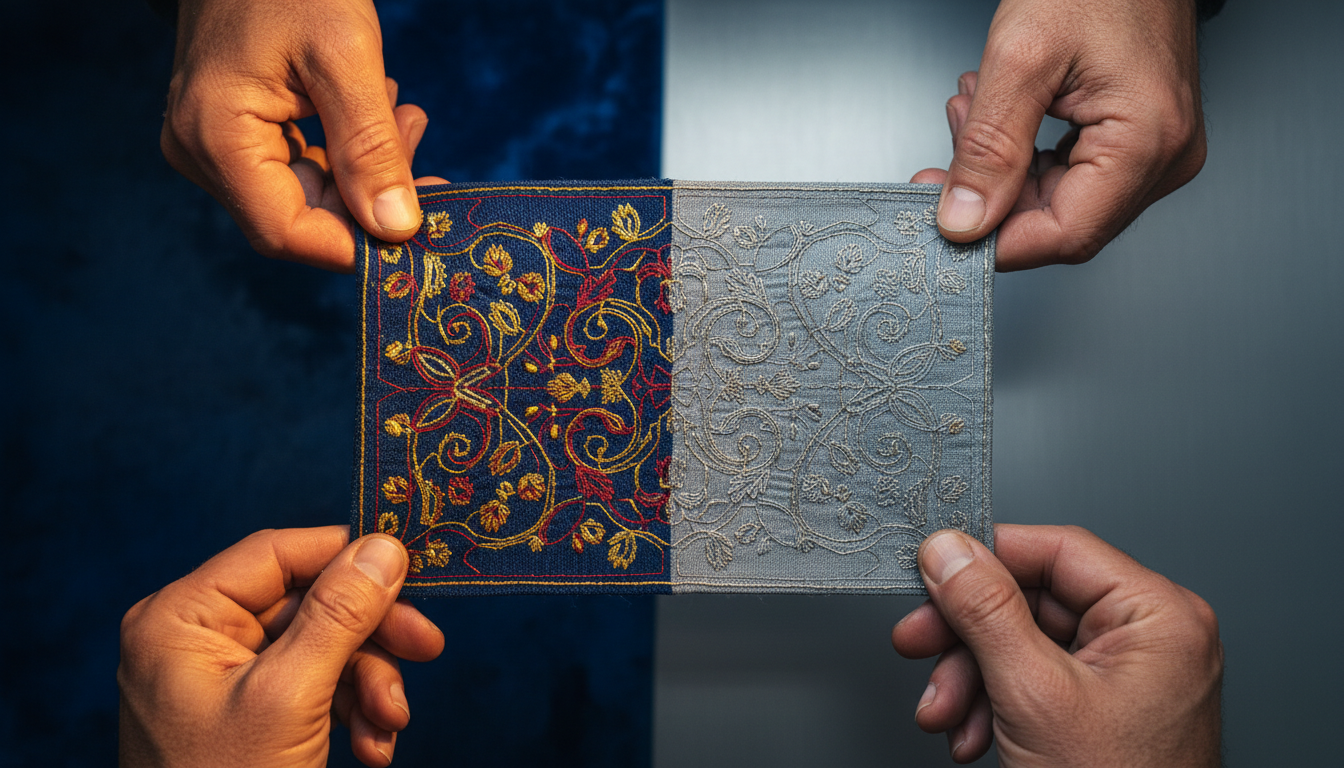
2. Embroidery: Geometric embroidery, reminiscent of Moroccan architectural motifs, adds a touch of elegance and cultural richness to modern garments. Intricate embroidery on jackets, blouses, and even jeans can transform simple pieces into statement items.
3. Accessories: Geometric patterns are also popular in accessories such as bags, shoes, and jewelry. Clutches and handbags adorned with Moroccan-inspired designs, along with earrings and necklaces featuring geometric shapes, have become fashion staples.
The Allure of Bold Colors
Moroccan architecture is known for its bold and vibrant color palette, which has greatly influenced modern fashion trends. Designers often draw inspiration from the striking hues found in Moroccan tilework, mosaics, and textiles.
1. Color Blocking: The technique of color blocking, which involves pairing bold and contrasting colors together, is reminiscent of Moroccan interiors. Fashion collections often feature striking combinations of colors like cobalt blue with bright yellow or deep red with emerald green, creating a vibrant and eye-catching look.
2. Rich Textiles: Luxurious fabrics in rich colors are a nod to the opulence of Moroccan design. Velvet, silk, and brocade in vibrant shades are commonly used in modern fashion, adding a touch of Moroccan luxury to contemporary pieces.
3. Statement Pieces: Bold colors are often used in statement pieces such as evening gowns, tailored suits, and outerwear. These garments not only stand out but also evoke the vibrant energy of Moroccan markets and landscapes.
Detailed Craftsmanship in Modern Fashion
The meticulous craftsmanship seen in Moroccan architecture, from hand-carved woodwork to intricate metal designs, has inspired fashion designers to pay close attention to detail in their creations.
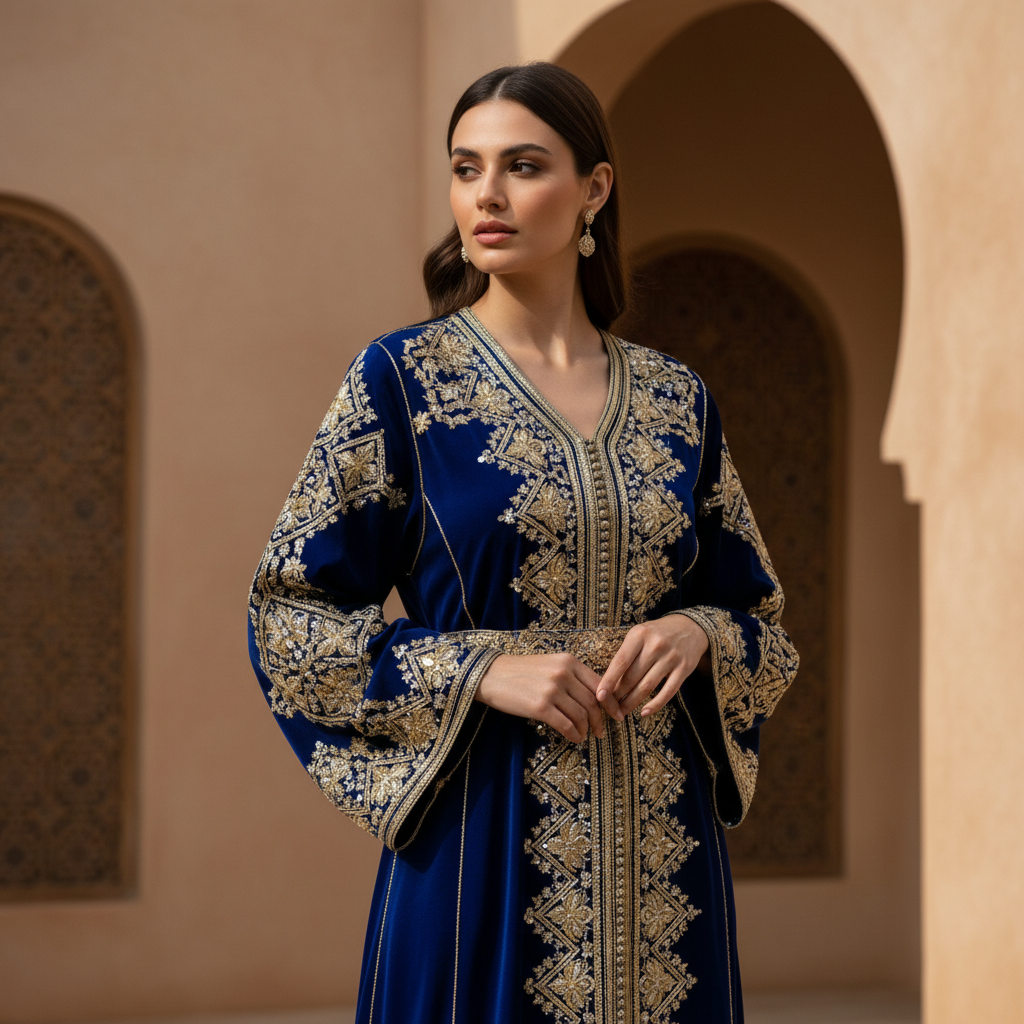
1. Handcrafted Garments: Handcrafted elements, such as beading, sequins, and appliqué, are used to add texture and detail to modern fashion. These techniques reflect the artisanal craftsmanship found in Moroccan architecture and create unique, high-quality garments.
2. Detailed Accessories: Accessories such as belts, handbags, and shoes often feature detailed craftsmanship inspired by Moroccan design. Hand-tooled leather, metal embellishments, and intricate stitching are common features that add an artisanal touch to contemporary accessories.
3. Architectural Silhouettes: The structured and flowing silhouettes found in Moroccan architecture have influenced modern fashion design. Flowing kaftans, structured jackets, and draped dresses mimic the architectural forms and create a sense of elegance and movement.
Natural Elements and Sustainable Fashion
The use of natural materials and the integration of indoor gardens and water features in Moroccan architecture have also influenced modern fashion trends, particularly in the realm of sustainable and eco-friendly fashion.
1. Natural Fibers: Fashion designers are increasingly turning to natural fibers such as cotton, linen, and wool, which are reminiscent of the materials used in Moroccan architecture. These fibers are not only sustainable but also evoke a sense of connection to nature.
2. Earthy Tones: The earthy tones found in Moroccan architecture, such as terracotta, ochre, and sand, have become popular in sustainable fashion. These colors are often used in eco-friendly clothing lines, creating a harmonious and natural aesthetic.
3. Sustainable Practices: Inspired by the resourcefulness and sustainability inherent in traditional Moroccan design, many fashion brands are adopting sustainable practices. This includes using recycled materials, implementing ethical production processes, and promoting slow fashion.
Iconic Moroccan-Inspired Fashion Pieces
Several iconic fashion pieces have been directly inspired by Moroccan architecture and design. These items have become timeless staples in modern wardrobes, showcasing the enduring influence of Moroccan aesthetics.
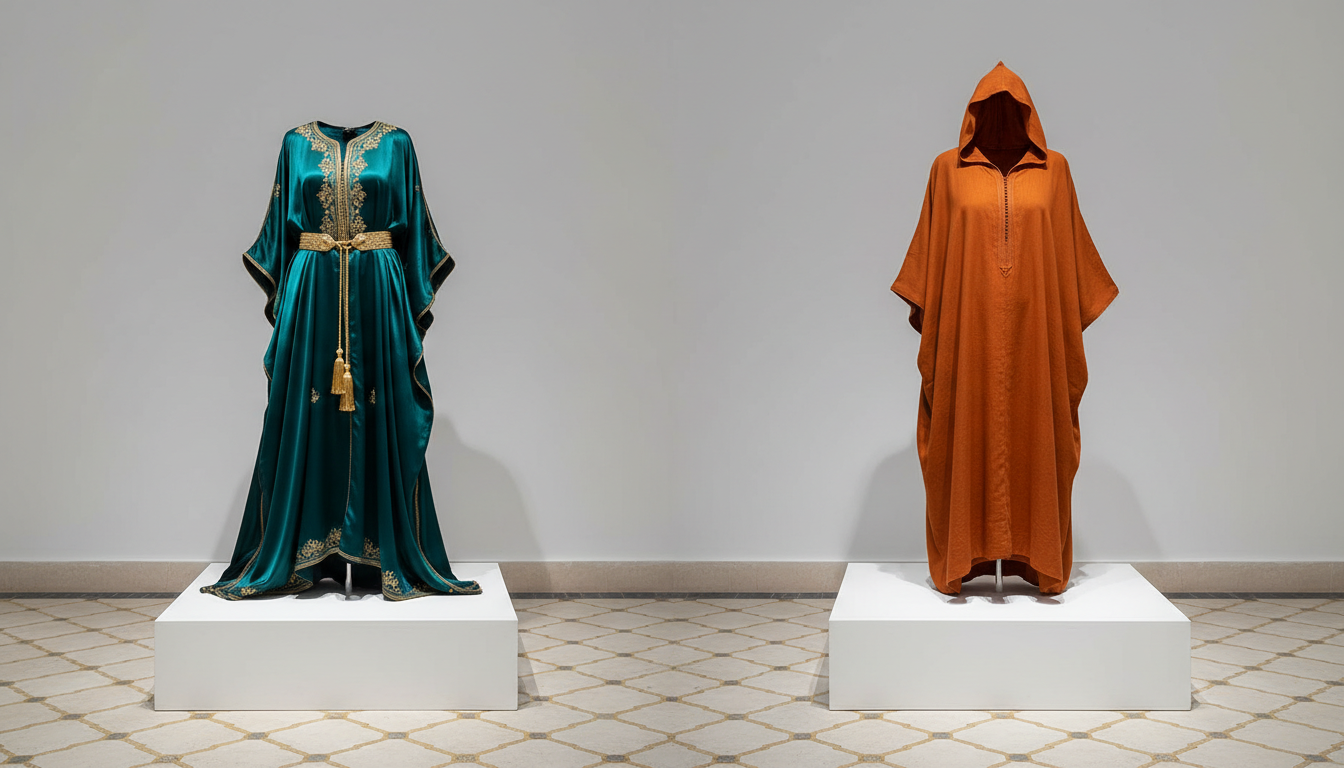
1. The Kaftan: The kaftan, a traditional Moroccan garment, has been embraced by fashion designers worldwide. Its loose, flowing silhouette and intricate embellishments make it a versatile and elegant piece suitable for various occasions.
2. The Djellaba: The djellaba, with its long sleeves and hood, has been reimagined in contemporary fashion. Modern versions often feature bold colors, geometric patterns, and luxurious fabrics, making them stylish yet comfortable options for everyday wear.
3. Moroccan Slippers (Babouches): Babouches, traditional Moroccan slippers, have made their way into modern fashion. These flat, pointed-toe shoes are often crafted from leather and feature intricate embroidery or embellishments, adding a touch of Moroccan flair to any outfit.
4. Statement Jewelry: Moroccan-inspired statement jewelry, such as large earrings, layered necklaces, and ornate bracelets, has become a popular trend. These pieces often incorporate geometric patterns, bold colors, and detailed craftsmanship, reflecting the beauty of Moroccan design.
Conclusion
The influence of Moroccan architecture on modern fashion trends is a testament to the timeless beauty and cultural richness of Moroccan design. From intricate geometric patterns to bold colors and meticulous craftsmanship, the elements of Moroccan architecture have found their way into contemporary fashion, creating stunning and unique garments and accessories. By embracing these influences, fashion designers continue to celebrate and preserve the artistic heritage of Morocco, bringing a touch of its magic to wardrobes around the world. Whether it’s through a vibrant kaftan, a detailed accessory, or a statement piece in bold colors, the essence of Moroccan architecture continues to inspire and captivate the fashion world.